Clocks and clockwork: how a box of gears counts time.
How gears trade speed for force, what an escapement does, why a pendulum keeps such good time, how a coiled spring fits a clock in your pocket, and how a self-taught carpenter built a clock that could find a ship at sea. Every fact is linked to its source.
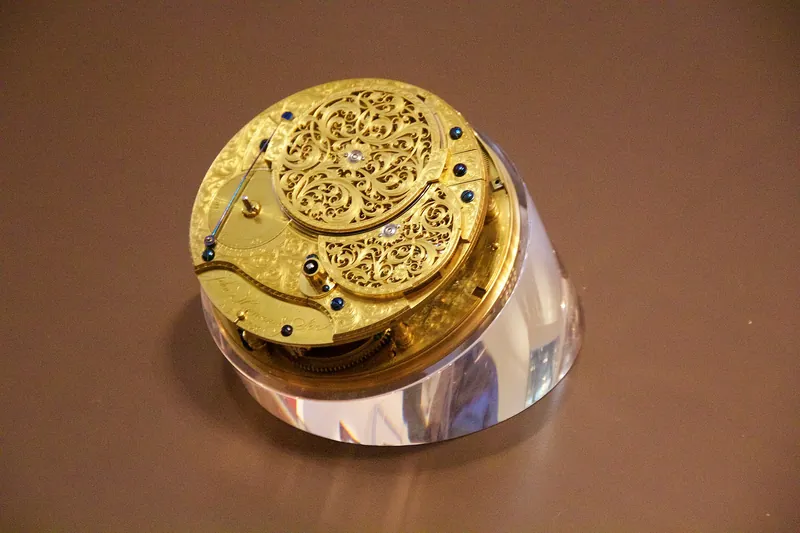
The short version
A clock is a machine that links something moving in equal, regular steps to a counter that adds up the steps. Britannica
NIST puts it the same way: every clock needs a regular, repeating action to mark off equal bits of time, and a way to count them and show the result. NIST
The real innovation of the weight-driven clock was the escapement, which handed the pull of the falling weight on to the counting gears. Britannica
So a mechanical clock has three jobs: store some energy (a weight or a spring), let it out in tiny equal steps (the escapement and its pendulum or balance), and count the steps (the gears and hands). This site takes each part in turn, then tells the story of how clocks got better, from water clocks to a watch that could cross an ocean.
Explore
 GearsTeeth, ratios and trains.
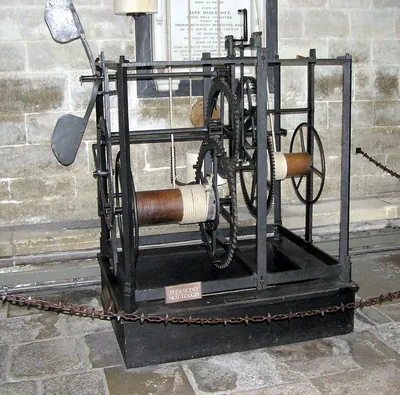 Inside a clockFrom the weight to the hands.
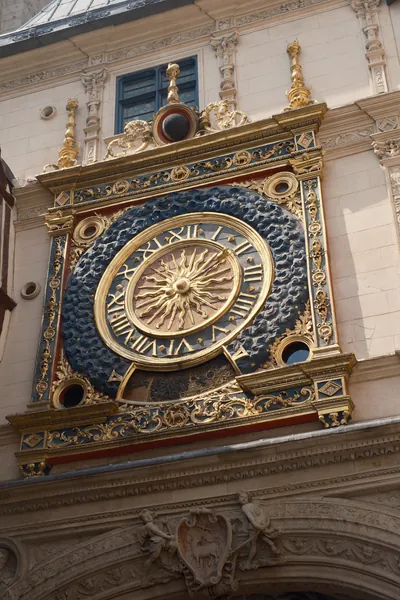 EscapementThe part that ticks.
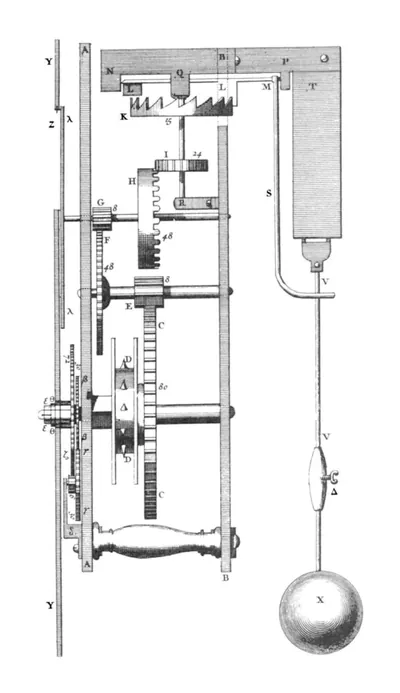 PendulumWhy the swing keeps time.
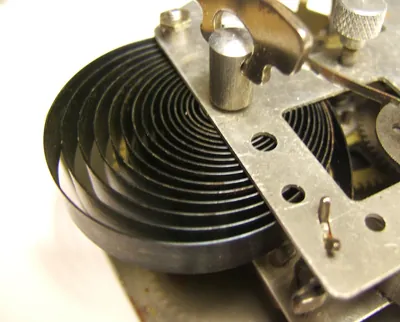 Springs and watchesClocks you can carry.
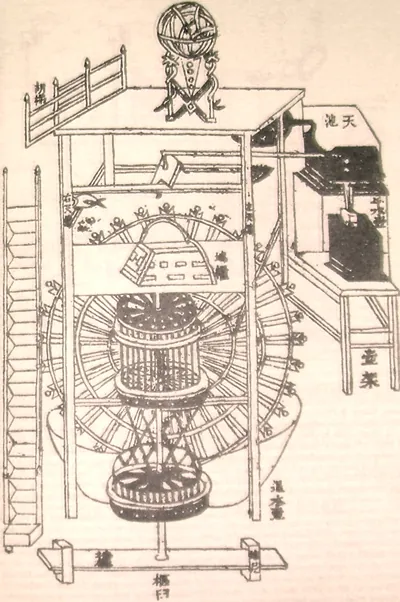 HistoryWater, towers and bells.
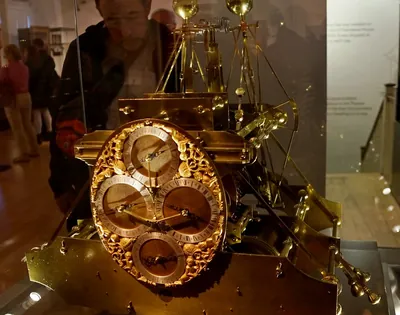 LongitudeHarrison and the sea clocks.
Tile pictures are credited on their pages and on the credits page.
Play with it
A gear playground where you choose the teeth and watch the wheels turn, a pendulum you can lengthen and time, an escapement you can tick one tooth at a time, a 12-question quiz and a myth-or-fact round.
More from the family: levers, wheels and pulleys are at simple-machines.mechanics.im, steam power is at steam.mechanics.im, and every machine site is listed at mechanics.im.